
Article
Get your business to the next level.
Join the 4 Level System – Where Builders Transform Their Business
Article
The Construction Business Coaching Podcast Every Builder and Remodeler Should Know About
If you are a builder or remodeler looking to get more time and more money out of the business you already built, a construction business coaching podcast built specifically for your industry is worth a look. This one is built around real coaching conversations, not scripted advice or generic small business tips, so the same roadblocks you are facing right now get addressed directly instead of in the abstract.
The show is called the Building Freedom Podcast, hosted by 4 Level Coach, and it is available now on Apple Podcasts and Spotify.
Why this show exists
Most builders did not start their companies dreaming about spreadsheets, staffing headaches, or chasing down leads at midnight. The trade came first. The business grew around it. And somewhere along the way, the owner became the accountant, the HR department, and the person putting out every fire, all at once.
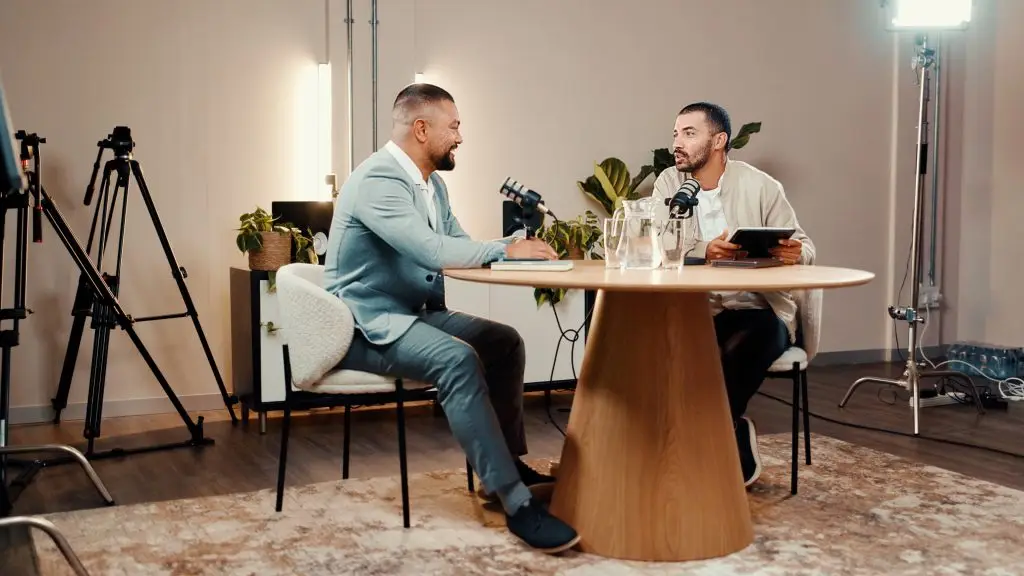
The show comes from Randy Stanbury, a longtime serial entrepreneur who spent decades building and eventually selling multiple businesses before shifting his focus to coaching builders and remodelers directly. The premise is simple: instead of telling you what worked for someone else in a completely different industry, the show puts you inside actual coaching conversations with builders and remodelers working through the same time, team, systems, marketing, and sales challenges that come with growing a construction business.
What you will see on the show
The calls fall into three categories, and each one shows a different stage of the coaching relationship.
Blueprint sessions happen in the first 30 days with a new client. This is where the initial game plan gets built, the priorities get set, and the client walks away with a clear sense of what to tackle first instead of trying to fix everything at once.
Ongoing monthly coaching calls follow clients who are further along, already working through the deeper systems, team structure, and profit questions that come with real growth. These calls tend to go further into the weeds, since the basics are already in place and the conversation shifts to refinement.
Initial discovery calls capture the very first conversation with a brand new client, before any coaching has started. These are useful precisely because they are unfiltered. The real questions and the real pain points surface here in a way that mirrors your own first conversation with a coach.
The problems that come up again and again
Across all three types of calls, the same handful of issues show up constantly. Time management, since too many owners are still quoting jobs and returning calls late into the evening. Hiring and team structure, since constant turnover and unclear roles quietly drain a business of momentum. Sales systems, since an inconsistent process means the close rate depends entirely on the mood of whoever answers the phone that day. Marketing that produces qualified leads reliably, rather than sporadic work that shows up only when a slow month forces the owner to go looking for it. And building real processes, since running a growing construction business without documented systems means every answer still has to come from the owner personally.
None of these problems are unique to any one builder. They show up in nearly every construction business at a certain size, which is exactly why seeing them worked through in a real conversation tends to land differently than reading a generic list of business tips.
Does business coaching for construction businesses pay off
It is a fair question, and the honest answer is more nuanced than the flashy numbers that get repeated across the coaching industry. Figures like a 529 percent or 788 percent return on investment show up constantly in coaching marketing, but those specific numbers trace back to a single case study from 2001 and get recycled without the context that made them meaningful in the first place.
What the broader research supports is more modest, and arguably more trustworthy because of it. The International Coach Federation’s Global Coaching Study has found that the large majority of individuals and companies who work with a coach report being satisfied with the experience and would do it again. Peer reviewed research on coaching more broadly points to moderate, consistent, positive effects on goal achievement and performance, rather than the outsized one-time windfalls that get advertised.
For construction specifically, the value shows up less as a single dramatic number and more as accountability. One long running discussion among tradespeople and contractors, on a forum for electricians and other trade business owners, put it plainly: most small contractors do not answer to anyone. A coach who asks for a profit and loss statement every month, a budget, and a real plan changes that, simply by making the owner accountable to someone other than themselves. For builders whose businesses have grown around instinct rather than documented systems, that outside accountability is often the mechanism behind the results, more than any specific dollar figure.
According to 4 Level Coach, that pattern has played out directly in their own coaching relationships. One builder reported doubling the business after a single coaching call built around a specific strategy shift. Another spent two years in ongoing monthly coaching calls and grew the business from five million to twenty five million in revenue over that period, by consistently applying what came out of those sessions. These are the coach’s own reported outcomes rather than independently audited figures, but they track with the same pattern the broader research points to: consistent accountability and a clear plan, applied over time, moving the needle more than any single tactic on its own.
Why some contractors are skeptical, and where that skepticism is half right
Search any contractor forum for business coaching and the reviews are mixed, not glowing. On one well known trade forum, one contractor tried a coaching program and walked away unconvinced, since the coach’s margin targets, 28 percent on remodels and 20 percent on custom builds, were numbers his shop was already hitting without any outside help. Another called certain coaching podcasts a waste of time and money, arguing that sales and marketing should come naturally if you are in the right business to begin with. That skepticism is fair. Plenty of coaching in this space is generic advice repackaged with construction language bolted on top, and a builder who is already disciplined about margins and systems does not need to pay someone to confirm what he already knows.
But the same forum thread includes a contractor who credits mentors and paid roundtable groups as genuinely instrumental in getting his business through what he called the one and a half million to three million dollar no man’s land, the stretch where a business has outgrown its original structure but has not yet built the systems to support real scale. That distinction matters. Coaching does not work as a substitute for a builder’s own effort, and it is not a done-for-you service. It works as a partnership, where the coach brings the framework and the accountability, and the owner still has to show up, do the work, and stay honest about what is really happening in the business. The construction businesses that go from five million to twenty five million do not get there because a coach did it for them. They get there because the owner was fully engaged and executing consistently, with a coach making sure nothing slipped.
There is also a timing problem worth naming directly. Most builders do not look for a coach until they are already overwhelmed, a cash crunch, a key employee walking out, a season that got away from them completely. That is usually the moment coaching gets considered, and it is also, ironically, the hardest time to get real value from it, since there is no bandwidth left to implement anything new. The better time is earlier, while the business still has room to maneuver, or at the very latest, at the exact moment things start to feel unmanageable rather than after they have already spiraled. Waiting for the breaking point is the most common mistake builders make with coaching, not the coaching itself.
Why this matters even if your business is doing fine
Too many builders wait until something breaks, a cash flow crunch, a burnout moment, a falling out with a partner, before they consider getting outside help. But coaching is not really about fixing what is broken. It is about identifying what is already working and building a plan to scale it faster and more predictably, before a growing business outruns the systems holding it together.
That distinction matters because a business that depends entirely on the owner for every decision is not a real asset yet, no matter how much revenue it generates. Understanding coaching through real conversations, rather than reading about it in the abstract, makes that gap easier to see in your own business.
There is a simple test worth running on your own business. Could it operate for two full weeks without you answering a single call, approving a single decision, or checking in once? For most builders, the honest answer is no, and that answer has nothing to do with revenue. A business that cannot pass that test is not yet transferable, whether the plan is to hand it to a family member, sell it outright, or simply take a real vacation without a phone in hand. Getting to a yes on that question takes real delegation, documented systems, and a team that owns decisions instead of escalating them, which is exactly the kind of shift these coaching calls are built around.
Where to start
If any of this sounds familiar, from the late night estimating sessions to the sense that the business could be doing more if only there was time to work on it instead of just in it, this construction business coaching podcast is built around exactly that kind of moment, through real conversations rather than polished case studies.
Ready to hear what real coaching conversations sound like? Visit 4levelcoach.com to learn more about coaching built specifically for builders and remodelers.
FAQ's
If my margins already look solid, do I still need a coach?
Not necessarily, and it is a fair question to ask before signing up for anything. Some contractors who already track their numbers closely and hit strong margins have tried coaching and found the standard benchmarks did not tell them anything new. Coaching tends to add the most value when a business has outgrown its current structure, not when the numbers are already dialed in and the main gap is bandwidth or delegation rather than financial literacy.
What happens on a first coaching call?
Across the coaching industry generally, a first call is typically a discovery conversation rather than a sales pitch: understanding where the business stands now, what is not working, and whether the coach and the business are a good fit for each other before anything is signed. The Building Freedom Podcast’s discovery call episodes follow that same format, which is part of why they tend to feel more like a diagnostic than a pitch.
Where can I listen to the show?
The Building Freedom Podcast is available on both Apple Podcasts and Spotify, with new episodes released monthly.
Is this only for large construction businesses?
No. The calls featured cover businesses at different stages, from a company about 30 days into its first coaching engagement to established clients working through deeper systems and team questions. The problems discussed, time, team, systems, marketing, and sales, show up at a wide range of revenue levels, not just at the top end.
Get Started
Ready to Elevate Your Business?
We help builders move from stressed and stretched to strong and strategic. From doing it all, to leading a business that can finally stand on its own.